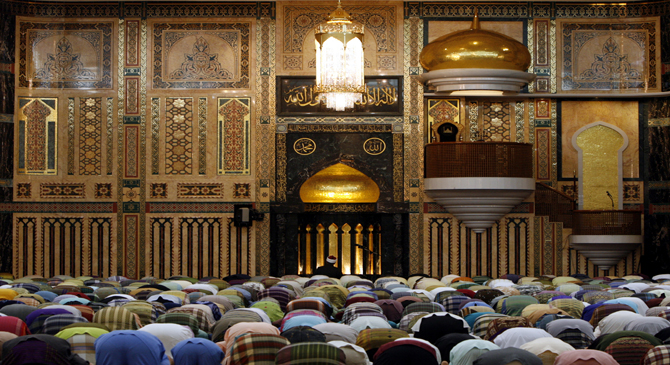
Prayer: Why Loud and Silent Recitation?
What should a Muslim do when receiving a divine command? Why are `Asr and Zhuhr silent prayers?
What should a Muslim do when receiving a divine command? Why are `Asr and Zhuhr silent prayers?
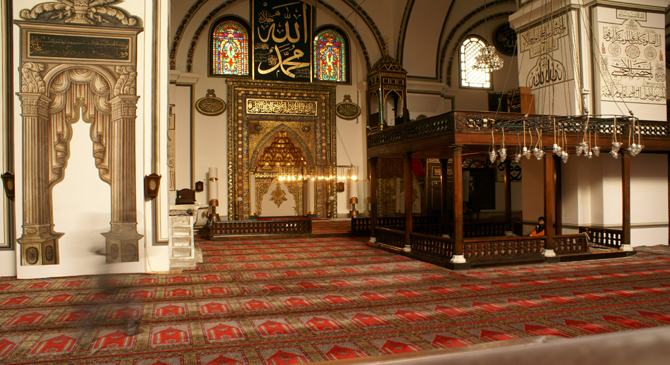
Is it recommended to wear special clothes during prayer? What is recommended for women to do in their menses instead of prayer?

What are the etiquettes of offering prayer in congregation for women? What is meant by silent and loud prayers?

Is shaking hands after ending the prayer an innovation?
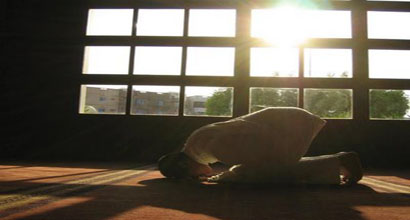
What are the essential feelings during prayer? Mention some of the attributes of the believers?

What is the ruling of intention before offering prayer? What is ruling of uttering the intention? Watch this short talk to get the answer.

In this Episode, Dr. Muhammad Salah and Dr. Yasir al-Fiqi explain the position of Ruku` (bowing down) what to say during the Ruku`, what to say after rising from the Ruku`, where to put the hands after the Ruku`, how to make Sujud (prostration), and what to say during the Sujud.

What should you do if you make a mistake during the prayer or if you are not certain of how many rak`ahs you have performed? Should you repeat the prayer or should you make up the missed part by performing sujud al-sahw (two prostrations of forgetfulness)? Should sujud al-sahw be done before or after ending the prayer?
Watch this final episode of the Prophet’s prayer by Dr. Muhammad Salah to know the answer to these questions.
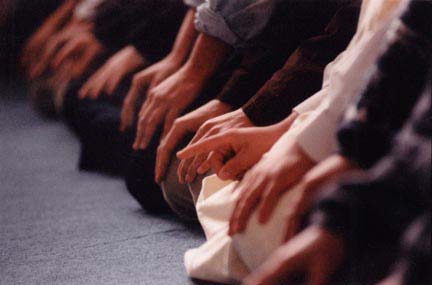
In this Episode, Dr. Muhammad Salah and Dr. Yasir al-Fiqi explain the position of the sitting of the tashahhud, moving the finger while reciting tashahhud, the difference between the sitting of the middle tashahhud and the sitting of the last tashahhud, the du`aa’ to be recited after tashahhud, and the dhikr after finishing the prayer.
Watch this episode of the Prophet’s Prayer series presented by Dr. Muhammad Salah on Huda TV to know the requirements that make the Prayer valid.