
Fasting, Materialism and Time Management
Enjoy watching this video by Imam Suhaib Webb offering Ramadan advice to Zaytuna Summer Arabic Intensive students on fasting, materialism and time management.
Enjoy watching this video by Imam Suhaib Webb offering Ramadan advice to Zaytuna Summer Arabic Intensive students on fasting, materialism and time management.
Fasting (sawm) is the fourth pillar of Islam. Fasting is prescribed on Muslims as it was prescribed on those who came before Muslims.
What virtues does the first night of Ramadan have? At whom will Allah look in that blessed night? Why? What did the Prophet say about it?
What is the ruling concerning Tarawih prayers in the midst of the COVID-19/coronavirus pandemic? Should we pray tarawih at home? Can we hold the mushaf behind the imam?
Can we say “Ramadan Kareem” to celebrate the beginning of Ramadan? The prominent Saudi Islamic lecturer and author, Sheikh Muhammad Saleh Al-Munajjid, states:
The article sheds light on fasting in Islam as well as other religions and stresses its importance in Islam.
By Editorial Satff Fasting is the fourth pillar of Islam. Fasting purifies a Muslim’s body and soul. Fasting trains Muslims on how to be patient. […]
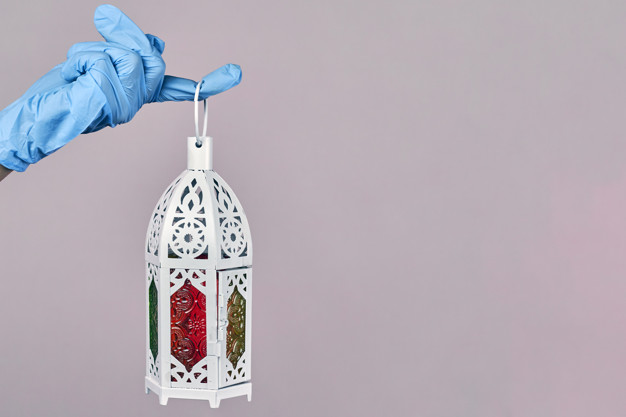
Is it permissible to postpone fasting during Ramadan this year and when one is safe from Coronavirus (COVID-19), one would fast for thirty days?
The subject of fasting in Christianity is very difficult to discuss, simply because Christianity as a whole is very short on religious laws. Fasting in Christianity seems to have evolved with time and is affected by social, political, and economic factors.

Ramadan becomes a time when Muslims re-commit themselves to what they believe. It is a time when they re-establish that firm bond with their Creator that can only be achieved by prayer. It is, in fact, a time to turn back to Allah.